After Illinois and Iowa, our route continued into Nebraska. One of our next stops was Green Cover Seed. The company specializes in cover crops and prepares seed mixes made up of different plant species for farmers.
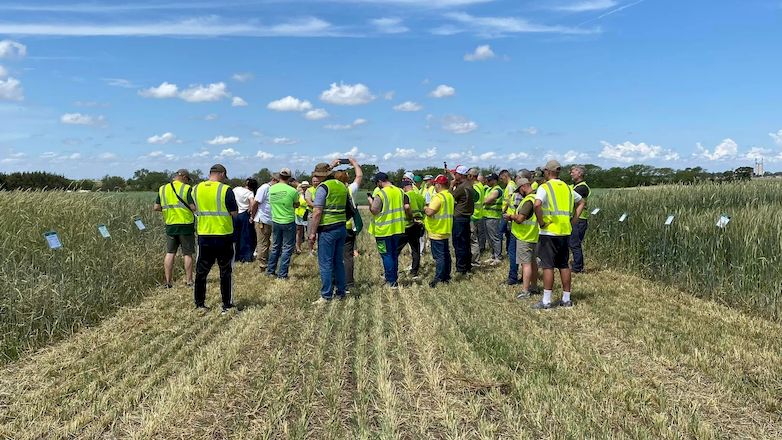 During a visit to Green Cover’s demonstration plots in Nebraska.
Keith Berns showed us around the production facility. There, seeds of different species are combined in specific proportions, packaged, and prepared for shipment.
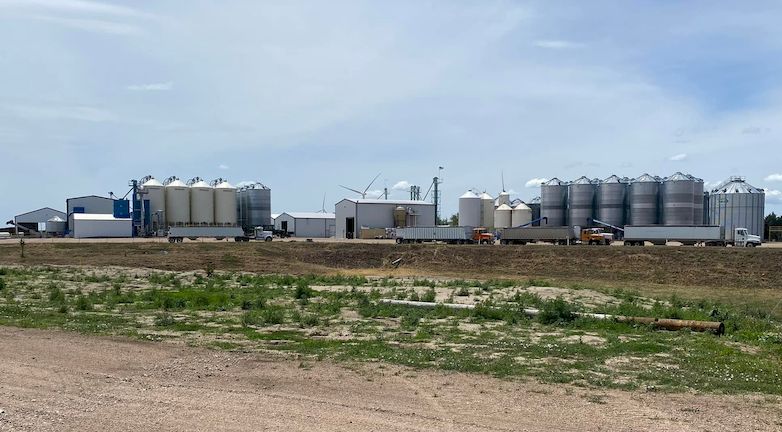 The Green Cover Seed production facility in Nebraska.
The equipment, production volumes, and organization of the work are, of course, impressive. But something else interested me even more.
Seeing each plant on its own
Demonstration plots have been established next to the production facility. There, you can see almost every plant species used in the cover crop mixes growing on its own.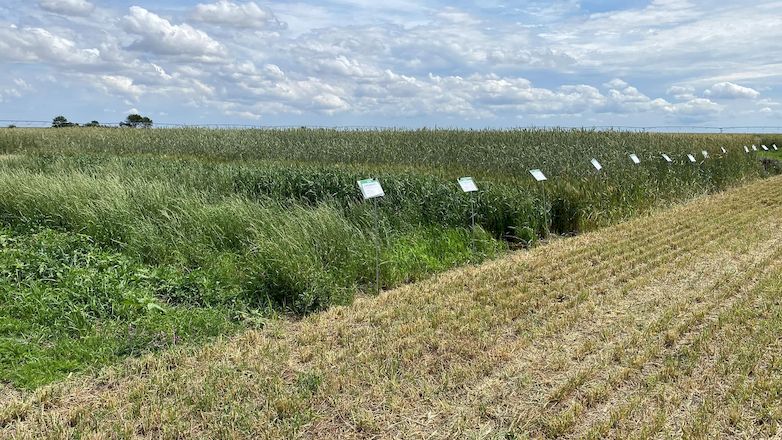 When all you see is the finished seed mix, its individual components remain little more than names on a label. In a living field, you see them differently. You can observe how each species develops, how it differs from the others, and why it is included in the mix in the first place.
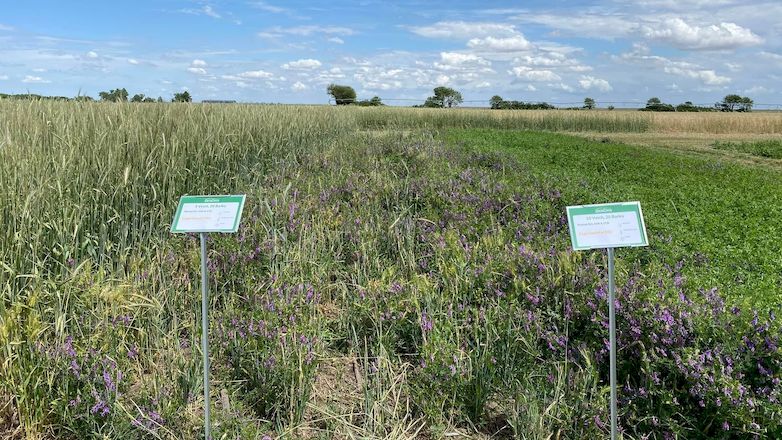 Different plant species and their combinations can be compared at Green Cover’s demonstration plots.
It becomes clear that a cover crop mix should not be a random assortment of seeds. Each component needs to serve a particular function. Seeing the species individually also makes it easier to imagine how they might work together.
A company that grew out of a need on their own farm
Green Cover did not begin as a ready-made business idea.
Keith Berns and his brother Brian were farmers looking for cover crop mixes for their own farm. They needed solutions for their fields but could not find exactly what they were looking for on the market.
So the brothers began creating their own mixes. At first, they did it for their own use. Over time, this practical search for solutions grew into a separate business.
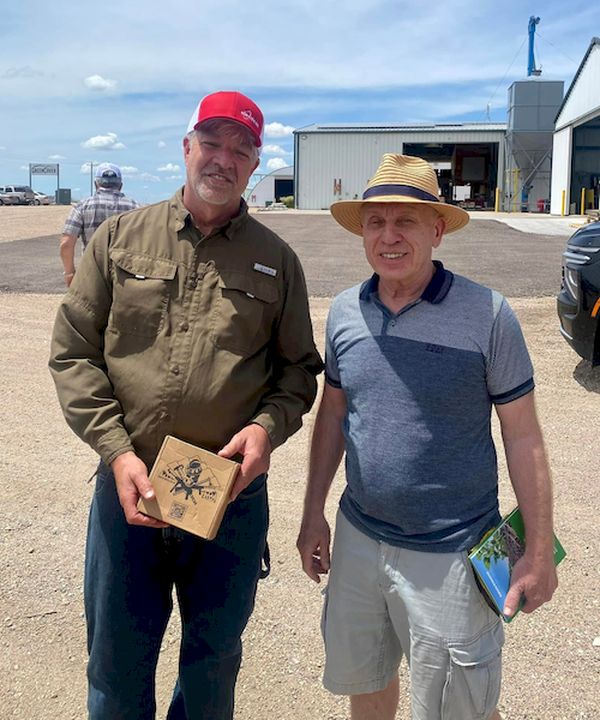 With Keith Berns during our visit to Green Cover Seed.
I like stories like this. People do not begin by asking what product they can sell to farmers. First, they try to solve a problem on their own farm. Only later do they realize that many other farmers face the same problem.
When practice becomes an industry
In the United States, cover crops are no longer something unusual. An entire industry has developed around them, including seed production, mix development, demonstration plots, research, education, and support for farmers.
Green Cover is a good example of how this happens. First, farmers look for solutions for their own fields. Then experience accumulates, demand appears, and production and services grow around it.
For me, this story was another reminder that major changes in agriculture often begin neither in offices nor with a ready-made business model. They begin with a simple question from a farmer:
“How can I do this better on my own farm?”