More than 4,000 acres on Justin Regehr’s family no-till farm in Kansas are managed by just three people: Justin, his brother and their father. They have practiced no-till for 15 years, grow cover crops and produce their own biological starter.
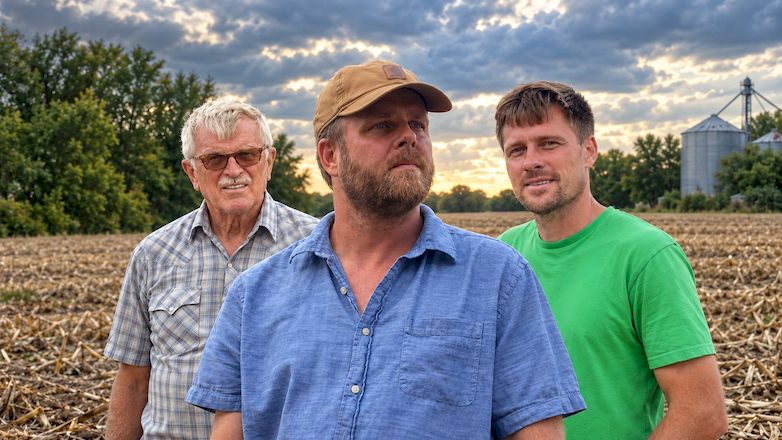
More than 4,000 acres on Justin Regehr’s family no-till farm in Kansas are managed by just three people: Justin, his brother and their father. They have practiced no-till for 15 years, grow cover crops and produce their own biological starter.
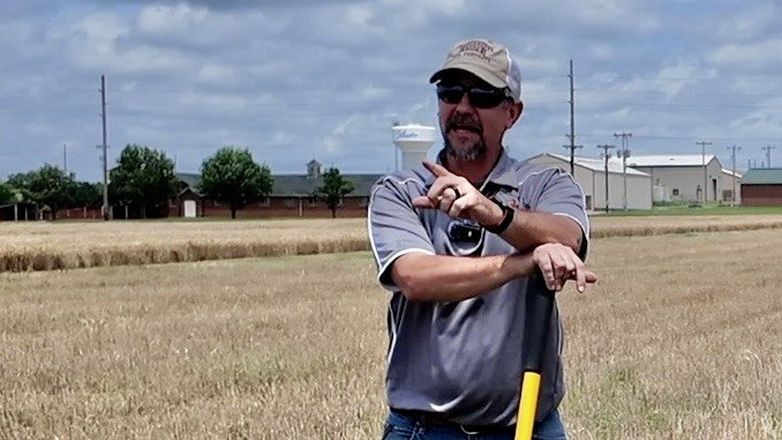
Can no-till require tillage after 15 years? A continuous wheat experiment leaves more questions than answers.

Winter wheat has been grown continuously in the Magruder Plots since 1892. The long-term comparison of unfertilized, manure, NPK and limed treatments reveals how 134 years of management changed yields, soil organic matter, pH and microbial communities.
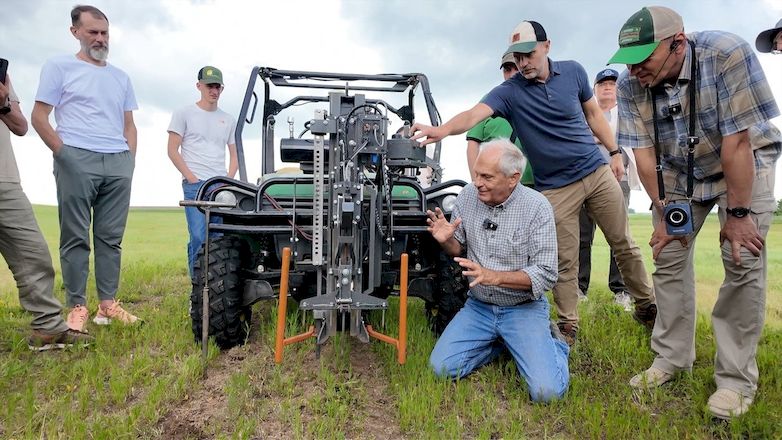
The same hybrid, planting date, and nitrogen rate, yet completely different yields. During a visit to Veris in Kansas, I saw how mobile soil sensors reveal what lies beneath the field’s surface and help explain differences that ordinary soil sampling may miss.

Do cover crops use up moisture in dry conditions? Michael Thompson’s experience in Kansas shows how species selection, termination timing, crop residue, and soil condition determine whether cover crops compete for water or help the soil absorb and retain it.
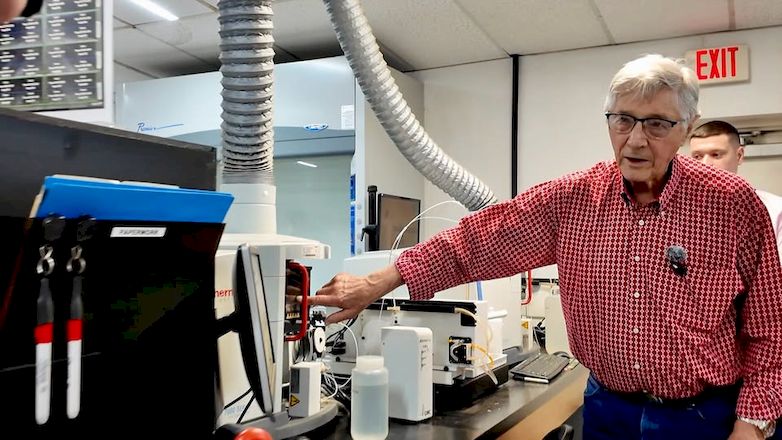
What does “healthy soil” mean, and how can it be measured? At WARD Laboratories, Dr. Ray Ward explains how biological activity is assessed and what it can reveal about the processes taking place in soil.
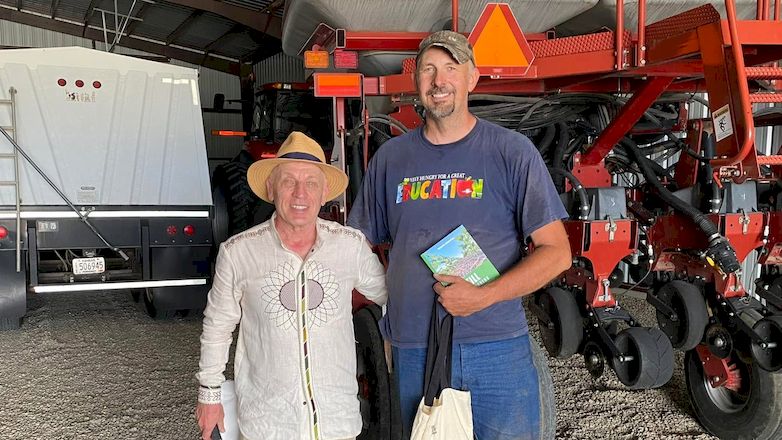
At Michael Thompson’s farm in Kansas, no-till is only the beginning. Cover crops, livestock integration, and crop diversity form a broader system for conserving moisture, protecting the soil, and gradually restoring its health.
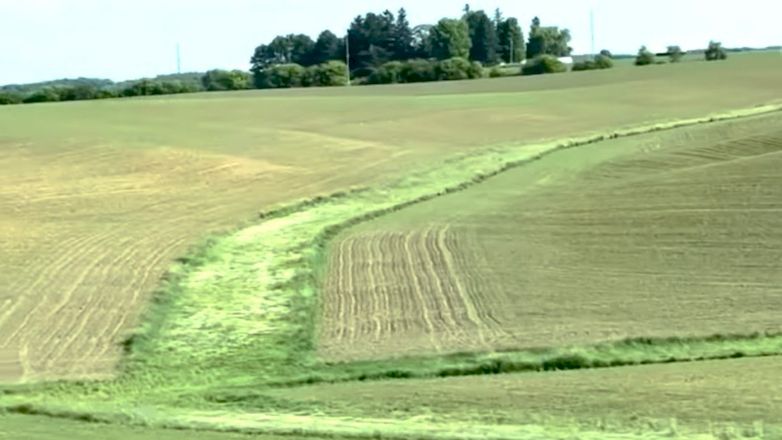
In Illinois and Iowa, farmers leave strips of perennial grass in natural depressions to carry runoff safely across fields. One farmer said he would keep them even without government payments because they protect the soil.
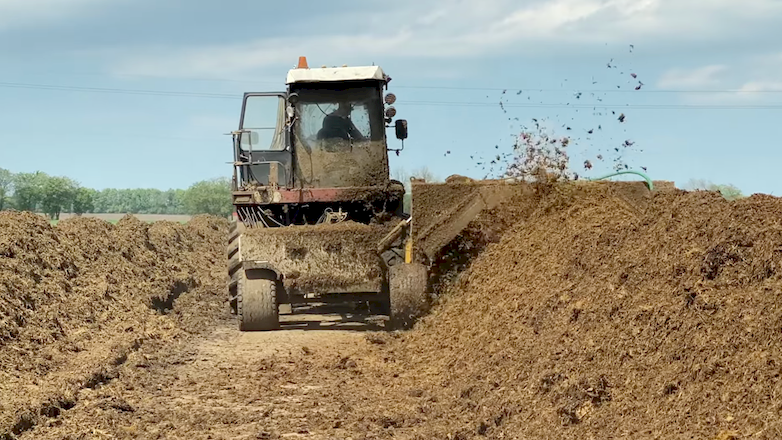
At Butenko Farm, sandy plots where almost nothing once grew are gradually being restored with compost made from organic matter already available on the farm.

Soil degradation has reached global proportions and threatens the world’s food security. According to the UN, up to 40% of the world’s land is degraded. The main reason is excessive mechanical tillage, which destroys soil structure, accelerates erosion and loss of fertility. Currently, one of the most effective solutions for stabilizing and regenerating degraded land is No-till technology, which involves …