More than 4,000 acres on Justin Regehr’s family no-till farm in Kansas are managed by just three people: Justin, his brother and their father. They have practiced no-till for 15 years, grow cover crops and produce their own biological starter.
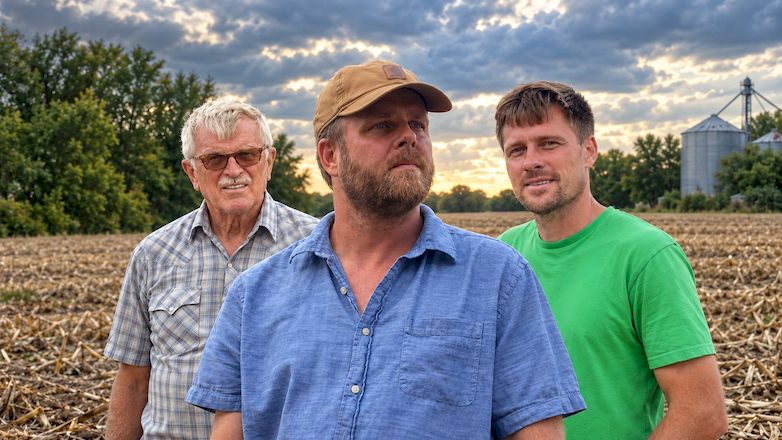
More than 4,000 acres on Justin Regehr’s family no-till farm in Kansas are managed by just three people: Justin, his brother and their father. They have practiced no-till for 15 years, grow cover crops and produce their own biological starter.
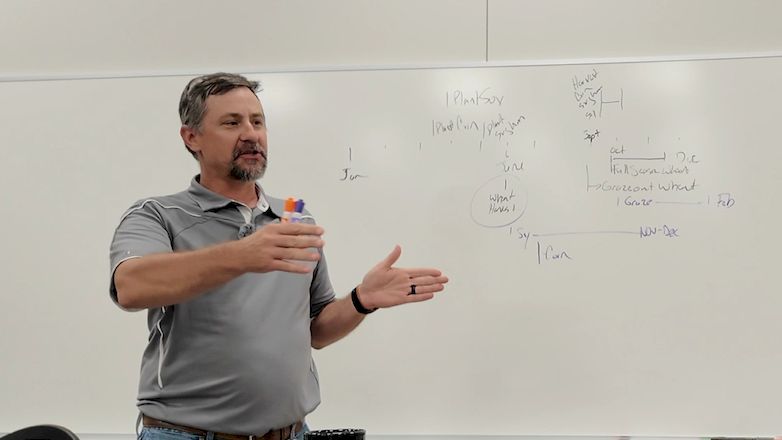
In Oklahoma, winter wheat is often grown for two purposes: cattle grazing and grain production. Brian Arnall explains when farmers stop grazing and what determines the final decision.
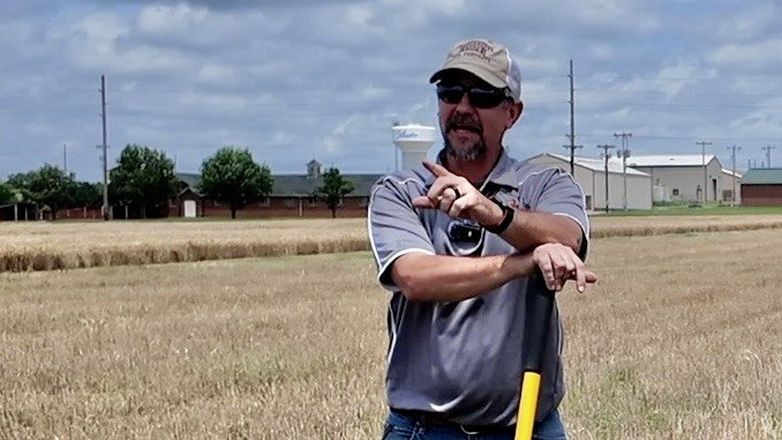
Can no-till require tillage after 15 years? A continuous wheat experiment leaves more questions than answers.

Winter wheat has been grown continuously in the Magruder Plots since 1892. The long-term comparison of unfertilized, manure, NPK and limed treatments reveals how 134 years of management changed yields, soil organic matter, pH and microbial communities.

A $400,000 combine harvests only about 0.4 hectares per hour. At Oklahoma State University, Dr. Brian Arnall explained why speed is not the priority for a plot combine and what data it collects from each research plot.
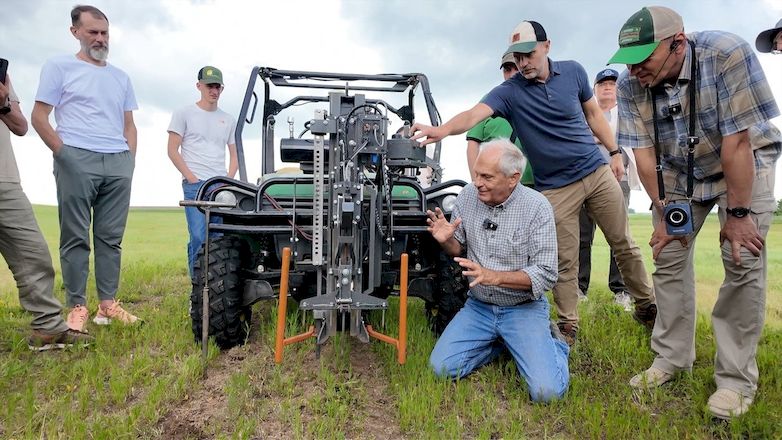
The same hybrid, planting date, and nitrogen rate, yet completely different yields. During a visit to Veris in Kansas, I saw how mobile soil sensors reveal what lies beneath the field’s surface and help explain differences that ordinary soil sampling may miss.
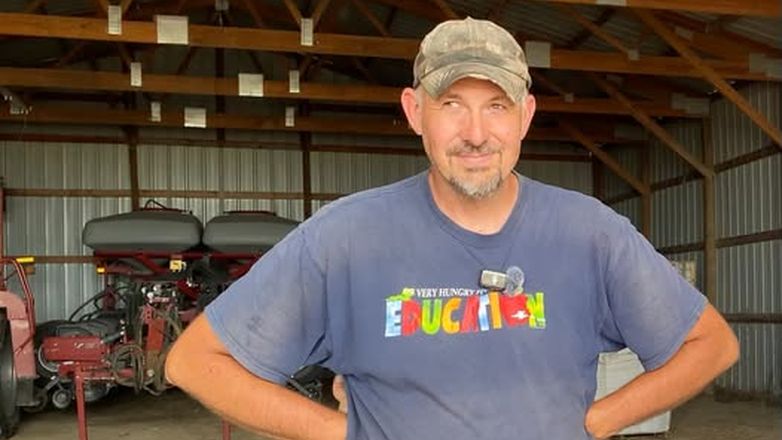
On Michael Thompson’s farm, the farming system is inseparable from economics. Weather, available moisture, and field conditions determine what makes sense in a given year, while machinery must, above all, do its job reliably.

Do cover crops use up moisture in dry conditions? Michael Thompson’s experience in Kansas shows how species selection, termination timing, crop residue, and soil condition determine whether cover crops compete for water or help the soil absorb and retain it.
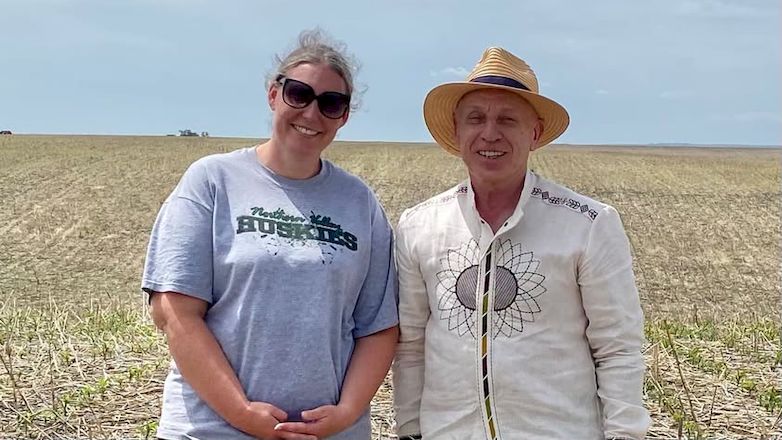
A family farm is held together by more than technology and major decisions. At Michael Thompson’s farm in Kansas, six generations of history continue through shared work, family support, and the small everyday things that often remain unseen.
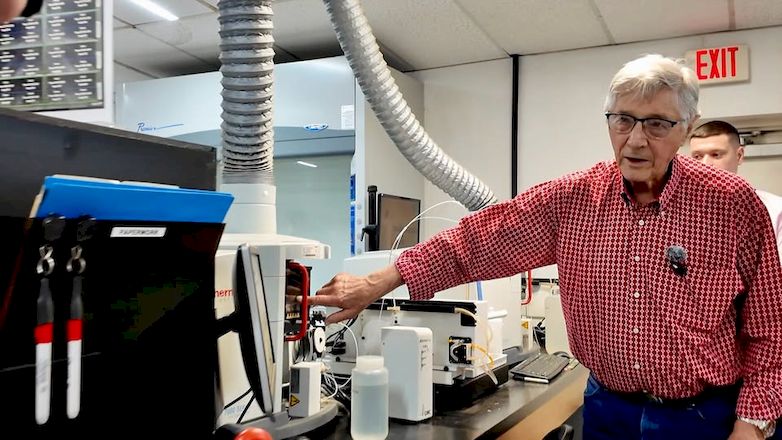
What does “healthy soil” mean, and how can it be measured? At WARD Laboratories, Dr. Ray Ward explains how biological activity is assessed and what it can reveal about the processes taking place in soil.